
Opening an Etsy shop can be an exciting venture for creative entrepreneurs. With the assistance of AI tools like ChatGPT, setting up your shop has never been more streamlined. In this article, we’ll explore how ChatGPT can guide you step-by-step through crafting, customizing, and optimizing your Etsy store to increase visibility and attract customers.
Understanding the Basics of Etsy
Etsy began in 2005 as an alternative to mass-market e-commerce, built around the idea that buyers would pay more attention (and often more) for items with a human story behind them. That origin still shapes how the platform works today: it is not a general marketplace for anything and everything, but a curated environment focused on handmade goods, vintage items (typically at least 20 years old), and craft supplies. The key distinction is that Etsy’s rules and search experience are designed to reward specificity, originality, and clear product provenance, rather than pure price competition.
Etsy’s purpose is two-sided: it helps buyers discover unique products they can’t easily find at big-box retailers, and it helps small sellers reach demand without building an entire online store from scratch. Unlike broader platforms where buyers arrive primarily to hunt for deals, Etsy shoppers are often browsing with intent to find something personal: gifts, home decor with character, niche fandom products, wedding and event details, personalization, and hobby materials. This creates a marketplace where storytelling and aesthetics matter as much as the item itself.
Market demographics vary by category, but Etsy is known for a strong base of buyers interested in design-led purchases, frequently shopping for occasions and custom work. Many purchases are driven by emotion: “made for me,” “made for someone I love,” or “made differently.” For sellers, this typically means higher tolerance for premium pricing when listings communicate value clearly through photos, descriptions, and social proof (reviews).
Sellers choose Etsy over other e-commerce options because it compresses several hard problems into one platform:
- Built-in traffic from search and browsing, so you’re not starting at zero like a standalone site.
- Trust infrastructure (reviews, buyer protection norms, familiar checkout) that reduces purchase friction for new shops.
- Listing-based discovery where each product can rank independently, giving small catalogs a chance to compete.
- International reach with tools that support cross-border selling, currency display, and shipping workflows.
Etsy’s key features cater directly to independent sellers: product variations (size, color, personalization), digital downloads, shipping profiles, sales and coupons, messaging, and analytics. Its advertising and offsite promotion options allow incremental growth without mastering paid media immediately. In the context of using ChatGPT, this matters because Etsy rewards clarity and consistency: AI can help you translate your product into searchable language, align your listings with Etsy’s expectations, and communicate your brand story in a way that matches what Etsy buyers are already looking for—setting you up for the practical steps of creating an account and building a shop presence next.
Setting Up Your Etsy Account
After deciding that Etsy is the right marketplace for what you sell, the next step is setting up the foundation buyers will judge you on: your account, seller profile, and policies. Start by creating (or signing into) an Etsy account. You can register with an email address or connect through a third-party sign-in option. If you plan to run the shop long-term, choose a login method you control and will keep (an email you won’t lose access to), because it becomes the key to billing, security, and shop ownership.
During registration, Etsy will request basic information such as your name, email, and password. Immediately strengthen your security: use a unique password and enable two-factor authentication if available in your account settings. Then begin the “open your shop” flow, where Etsy typically asks for your shop country, preferred language, and currency. These choices affect how you communicate with customers and how prices display, so decide early whether you’re pricing primarily for your local market or an international audience.
You’ll also create your seller profile, which is different from product listings and functions like a trust page. Use ChatGPT here to draft a profile that feels human and specific: your origin story, your process, what you specialize in, and what customers can expect. Ask it for several versions in different tones (warm, minimalist, luxe, playful) and then edit to match your real voice. Include concrete details (materials, techniques, production time) because specificity reduces buyer uncertainty.
Your shop name is your brand handle everywhere on Etsy, so it needs to be memorable, easy to spell, and aligned with your category. Use ChatGPT to generate a list based on your niche, style, and target customer, then refine using these checks:
- Searchability: short, pronounceable, avoids unusual spellings that buyers can’t remember.
- Scalability: not so narrow that it blocks future product lines.
- Distinctiveness: avoids generic terms that blend into competitors.
Shop policies are where you prevent misunderstandings before they become disputes. Set clear expectations for processing times, shipping methods, returns/exchanges, personalization rules, and how you handle damaged or lost packages. ChatGPT can help you draft policy language that is firm but friendly; prompt it with your exact workflow and constraints, then double-check that the promises match what you can consistently deliver.
Finally, create visual assets that make your storefront feel credible. Your banner should quickly communicate what you sell and your aesthetic; your profile picture should make the shop feel accountable (a clear logo or a friendly maker photo). Use ChatGPT to outline a banner concept (colors, words to include, layout hierarchy) and to produce short taglines that fit your brand. Consistency matters: repeat the same tone and visual cues you’ll later carry into your product titles and descriptions, so buyers experience one cohesive brand from the moment they land on your page.
How ChatGPT Can Assist in Product Listing
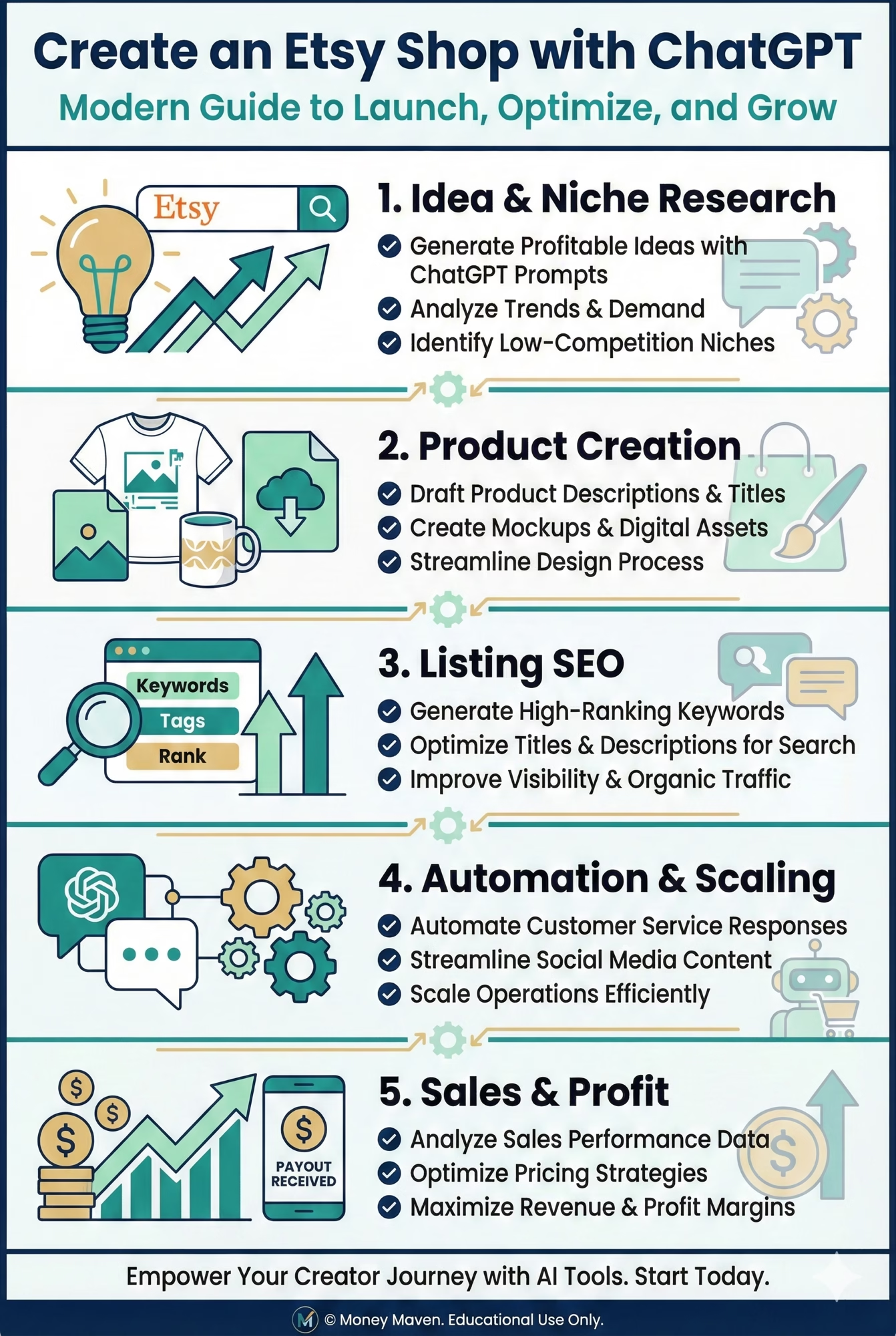
Once your shop profile and policies are in place, your next priority is making each listing easy to find and hard to ignore. ChatGPT can speed up the most time-consuming part of that work: turning your raw product details into search-friendly titles, persuasive descriptions, and relevant tags that match how buyers actually shop.
Start by feeding ChatGPT a structured “product brief.” Include: what it is, materials, size, color options, who it’s for, occasion/use case, what makes it different, processing time, and any personalization details. Then ask it to generate multiple title options with different keyword angles (style-based, gift-based, problem/solution-based). Etsy titles perform best when the first words carry the main phrase a buyer would type. Prompt example: “Create 10 Etsy title options under 140 characters. Put the primary keyword first. Avoid keyword stuffing and keep it readable.” Review the output and combine the strongest parts into one clear title.
For descriptions, use ChatGPT to plan the structure before polishing the wording. A strong listing description typically answers buyer questions in the order they arise:
- Opening hook: one or two benefit-driven lines that mirror the search intent.
- What it is + key features: materials, dimensions, finish, variations.
- Use cases: where it fits (daily use, home décor, gifting).
- Personalization/variations: how to order, what to type in the personalization box.
- Care instructions and packaging: reduces hesitation and returns.
- Shipping/processing clarity: set expectations, avoid confusion.
Ask ChatGPT to write in your brand voice (minimalist, playful, luxury, eco-focused) and to prioritize scannability with short paragraphs and bolded lead-ins. You can also prompt it to generate a “buyer-centric” version: “Rewrite this description focusing on the customer outcome and common questions, without adding claims I can’t prove.”
Keywords and tags are where AI can provide strategic leverage. Give ChatGPT your product type and audience and ask for keyword clusters: “Generate 30 Etsy search phrases buyers might use, grouped by intent: material, style, recipient, occasion, problem/solution.” From those clusters, select the most accurate phrases for your title and attributes, then use the remaining for tags. Aim for a mix of broad and specific terms, and avoid duplicates that don’t add new reach. Have ChatGPT map your final choices: “Based on these keywords, propose 13 unique tags (20 characters max each) and suggest which phrase should lead the title.” This approach keeps your listing aligned with customer interests while nudging Etsy SEO signals (relevance + clarity) in your favor, before you move on to visuals that earn the click.
Designing Eye-Catching Product Images
High-quality product images do the heavy lifting that your copy can’t: they create instant trust, communicate value in a fraction of a second, and reduce uncertainty about what a buyer will actually receive. On Etsy, thumbnails are often the first (and sometimes only) chance to earn a click. Crisp, well-lit photos increase perceived craftsmanship, make pricing feel justified, and lower return risk by showing scale, texture, and details. Even for digital products, mockups act as “proof,” helping shoppers imagine the item in real life, which directly improves conversions.
A strong image set should answer questions before they’re asked. Aim for a sequence that shows what it is, how it’s used, and why it’s better—without relying on text-heavy overlays. Include:
- Hero thumbnail: clean, high-contrast, readable at small size.
- Context shot: the product in a realistic setting (desk, nursery, kitchen, outfit).
- Detail close-ups: stitching, material grain, clasp, print texture, corners.
- Scale reference: in-hand, next to a common object, or on-body for wearables.
- Variant grid: colors, sizes, finishes shown consistently.
- Packaging/gifting: especially for handmade; reinforces professionalism.
For physical products, prioritize natural window light or a simple softbox. Use a consistent surface, keep the horizon straight, and shoot slightly overexposed rather than dim (noise looks cheap). Stabilize with a tripod, clean lenses, and lock exposure/focus so a series matches. Edit lightly: accurate color is more important than dramatic filters; buyers dislike surprises. For digital products, create polished presentations with mockups (frames, tablets, planners, t-shirts) and zoomed previews that reveal what’s included, while still protecting your work (cropped details or subtle watermarking).
ChatGPT can speed up the creative direction so each listing looks cohesive and “scroll-stopping.” Feed it your product type, target buyer, price point, and brand vibe, then ask for styling concepts that match buyer intent. Useful prompts:
- “Give me 12 thumbnail concepts for a minimalist ceramic mug targeting coffee lovers, optimized for Etsy browsing.”
- “Suggest 10 background/prop kits under $30 that fit a rustic farmhouse aesthetic.”
- “Create a shot list that proves quality and scale for a handmade leather wallet.”
- “Propose three lighting setups for small reflective items (jewelry) with common household tools.”
You can also ask ChatGPT to map visuals to objections: durability, size, color accuracy, or “what’s included.” That way your images don’t just look good—they function like silent sales answers, setting up the next step: making those visuals discoverable through Etsy search.
Optimizing Shop for Search Engines
SEO on Etsy is the bridge between beautiful listings and actual buyers finding them. Etsy’s search system tries to match a shopper’s intent with the most relevant listings, weighing factors such as query relevance, listing quality signals (clicks, favorites, conversions), shop trust signals, and customer experience. If your photos are stopping thumbs and earning clicks, SEO ensures your products appear in the right searches often enough to make those clicks possible in the first place.
ChatGPT can function like a research assistant that turns vague ideas into searchable language. Start by feeding it your product specifics (materials, recipient, occasion, style, size, use-case) and ask for keyword clusters and buyer-intent phrases. Then validate those ideas using Etsy’s search bar autosuggestions and competitor listings. A practical workflow is:
- Ask ChatGPT for 30–50 long-tail phrases (more specific, lower competition) and 10–15 “core” phrases (higher volume).
- Ask it to categorize them by intent: gift-based, problem/solution, style/aesthetic, material, personalization.
- Compare against autosuggest and adjust to the exact wording Etsy shoppers use.
Trends matter because Etsy search demand shifts seasonally (holidays, weddings, back-to-school) and culturally (aesthetics, colors, viral themes). ChatGPT can help you detect and plan around trends by turning raw observations into an action list. Provide signals like your best-selling months, new competitor terms you’re seeing, or a list of trending themes from social platforms, and ask it to generate:
- Seasonal keyword calendars (what to target 6–10 weeks ahead).
- Listing refresh suggestions (new phrasing, new gift angles, new bundles).
- Trend-safe alternatives (evergreen keywords that won’t expire when a fad fades).
Core Etsy SEO elements to optimize include titles, tags, and descriptions. Use ChatGPT to draft titles that place the primary phrase early, then add secondary descriptors without keyword stuffing. For tags, aim to cover distinct concepts rather than repeating the same root word 13 ways; ChatGPT can propose a balanced tag set that mixes style, recipient, occasion, material, and use. Descriptions increasingly serve both shoppers and search engines: ask ChatGPT to write scannable copy that repeats the main phrase naturally, answers common questions, and includes sizing, materials, and processing details to reduce friction and boost conversions.
To stay aligned with algorithm shifts, treat SEO as ongoing maintenance. Have ChatGPT generate a monthly audit checklist based on current Etsy best practices, flag listings with weak relevance (high impressions, low clicks), and suggest A/B test variants for titles and tags. Pair that with your shop analytics so changes are driven by performance data, not guesses, keeping visibility strong as the marketplace evolves and setting you up for smarter pricing and inventory decisions next.
Pricing Strategies and Managing Inventory
After you’ve attracted the right shoppers through strong search placement, pricing and inventory discipline determine whether that traffic becomes profit and repeat purchases. Start with market analysis that goes beyond “what others charge.” Use ChatGPT to summarize competitor listings you collect (price, shipping policy, personalization, bundle size, processing time, review count) and ask it to cluster them into tiers (budget, mid, premium). This helps you see what customers are actually comparing: materials, turnaround speed, packaging, customization, and brand trust. Then decide which tier you can credibly win in.
Build pricing from the inside out and validate it against the market. Calculate a true unit cost including: materials, Etsy fees, payment processing, packaging inserts, labels, expected returns/remakes, and labor at an hourly rate you’d accept long-term. Add a profit margin that supports growth (new tools, ad spend, new designs). ChatGPT can help by turning your cost inputs into scenarios: “If I raise price by 8% and conversion drops 5%, what happens to profit?” and by generating a simple pricing worksheet structure you can copy into a spreadsheet.
Useful pricing methodologies to combine:
- Cost-plus with guardrails: never price below true cost; set minimum viable margin per product.
- Value-based adjustments: increase price when you offer faster shipping, premium materials, personalization, gift-ready packaging, or strong social proof.
- Psychological thresholds: test price points around common breakpoints, but only if margins remain healthy.
- Bundling: raise average order value by offering sets; ask ChatGPT to propose bundle configurations that preserve margin while feeling like a deal.
Inventory management is where AI becomes an operational advantage. Feed ChatGPT your historical order volume by week, seasonal patterns, lead times for supplies, and production capacity. Ask it to forecast demand ranges (best/expected/worst), then translate that into reorder points and safety stock. For made-to-order items, inventory is often “components,” not finished goods; have ChatGPT list the bill of materials per SKU and compute how many orders your current supplies can support.
Automation reduces stockouts and late shipments:
- Restock triggers: set notifications when components hit reorder points; ChatGPT can draft rule logic for whatever tool you use (spreadsheets, Zapier, email reminders).
- Processing-time alerts: if open orders exceed weekly capacity, prompt you to extend processing times or pause bestsellers.
- Supplier lead-time tracking: reminders to reorder earlier during holidays or known delays.
Best practices for organized inventory that protect customer satisfaction:
- SKU discipline: consistent naming for variations (size/color/material) so counts stay accurate.
- Location mapping: label bins/shelves; record exact locations to speed fulfillment.
- Cycle counts: small weekly checks beat stressful full audits; have ChatGPT generate a rotating count schedule.
- Change logs: record damaged items, freebies, and sample usage so “phantom stock” doesn’t cause overselling.
This operational foundation makes your next marketing push safer: you can confidently promote products you can fulfill, at prices that stay profitable even when order volume spikes.
Utilizing Online Marketing with AI
Once pricing and stock are stable, the next lever is traffic. ChatGPT can act as your marketing planner and copy desk, helping you create repeatable campaigns that fit your capacity and product cadence. Start by feeding it your shop context: your top 5 products, target buyer profile, margins, production time, and the emotions your items sell (giftable, cozy, minimalist, nostalgic). Ask it to generate a 30-day marketing calendar with specific post themes tied to buyer intent: discovery posts (what it is), consideration posts (materials, process, comparisons), and conversion posts (limited runs, gifting deadlines).
For social media advertising, use ChatGPT to draft audience hypotheses and test plans. Provide platform, budget, and goal (traffic vs. conversions). Have it output: 3 audience segments, 2 ad angles per segment, and 10 hooks written in your brand voice. Then ask for variations that match different creatives (product close-up, lifestyle, before/after, unboxing). Practical tip: use AI to keep tests clean—one variable at a time. Prompt it to build an A/B matrix so you only change the hook or the offer, not both.
Content creation is where consistency wins. Use ChatGPT to create a “pillar-to-snippet” system: one long-form piece becomes many short assets. Ask for a monthly set including:
- 2 story posts about your process or inspiration (trust building)
- 4 educational tips (care instructions, sizing, styling, gifting)
- 4 product spotlights (benefits, use cases, objections)
- 2 community prompts (polls, “help me choose”)
Then request captions in multiple lengths, plus a list of keywords and hashtags aligned with Etsy search language.
To analyze market trends and feedback, paste anonymized review excerpts, common DM questions, and competitor listing snippets (without copying). Ask ChatGPT to cluster them into themes: quality signals buyers mention, objections that block purchases, and phrases customers use that you should mirror in your copy. Also ask it to flag emerging seasonal cues (wedding, back-to-school, holidays) and suggest when to start promoting based on shipping lead times.
For newsletters, have ChatGPT write a reusable template library: welcome email, back-in-stock announcement, gift guide, and “story + product” edition. Provide a constraint: one primary call-to-action, one secondary link, and a subject line set with curiosity, clarity, and urgency options. For promotions, ask it to design an offer ladder that protects your brand (bundles, free personalization, limited-time upgrades) and draft short terms that avoid confusion. Finally, use AI to turn results into next steps: paste weekly metrics (views, favorites, conversion rate) and ask for one prioritized change for the next week, so your marketing improves without overwhelming operations.
Engaging with Customers Using ChatGPT
Customer relationships are where an Etsy shop quietly wins or loses over time. After your marketing brings visitors in, the quality and speed of your communication determines whether they buy, whether they return, and whether they leave a review that influences future shoppers. ChatGPT can support you here by helping you communicate consistently while still sounding human, attentive, and specific to each buyer’s situation.
Use ChatGPT to build a small library of message templates that you can quickly personalize, rather than sending generic replies. Provide the AI with your brand voice, policies, processing times, and a few examples of messages you like, then ask it to draft variations for different scenarios: pre-purchase questions, customization requests, shipping updates, and problem resolution. Keep the structure stable (so you don’t forget key details), and personalize the “human” parts: the buyer’s name, the item, the occasion, and one concrete next step. For example, prompt ChatGPT with details like: the customer wants a different size, needs delivery by a certain date, and you can offer expedited shipping; then ask it to produce a warm response that clearly states options and deadlines.
For common inquiries, train yourself to feed ChatGPT the context you see in Etsy messages and listings, then request a reply that both answers the question and reduces future back-and-forth. Useful elements to include are:
- Confirmation of what the customer is asking (to show you understood).
- Direct answer with any constraints (materials, sizing, turnaround).
- Next-step question that moves the order forward (e.g., “Which color code should I match?”).
- Policy reminder stated gently (returns, custom order rules, proof approvals).
Post-purchase support is where AI can protect your time while increasing loyalty. Ask ChatGPT to draft proactive messages for key moments: order confirmation, “in production” updates for custom work, shipping notification with care instructions, and a check-in after delivery. These messages should feel helpful, not automated, so include practical guidance (how to use, store, or wash the product) and a simple invitation to reach out if anything isn’t perfect.
To gather feedback, use ChatGPT to write short follow-up questions that are easy to answer and don’t pressure the buyer. Rotate prompts such as: what they loved most, what surprised them, what would make the product even better, and whether the listing matched reality. Then have ChatGPT summarize responses you collect into themes you can act on, and generate individual follow-up replies that acknowledge the feedback and offer an appropriate fix when needed (replacement parts, tips, or a remake policy). When handled well, these AI-assisted follow-ups turn single transactions into ongoing relationships and repeat buyers.
Conclusions
Embarking on your Etsy journey is made seamless with ChatGPT. From setup to optimization, AI assistance simplifies the process, ensuring your store stands out in a competitive marketplace. By leveraging ChatGPT for tasks such as listing creation, SEO, and customer interaction, you can focus on what you do best—creating unique products that capture the attention of buyers worldwide.